For years, many of America’s colleges and universities have cultivated an image of the United States that emphasizes its failures while minimizing its extraordinary achievements.
On many campuses, students are taught to view America primarily through the lens of historical grievance, systemic oppression and decline. Rather than appreciating the principles that have made the United States the freest and most prosperous nation in history, they are encouraged to believe America should abandon its founding ideals in favor of the political and social models embraced by other countries.
Around the world, that same perception has taken hold. To those abroad, America has become synonymous with political dysfunction, cultural division and social unrest rather than freedom, opportunity and innovation. Yet that perception stands in sharp contrast to the reality experienced by the millions of people who continue to choose the United States over every other nation on earth.
Now, millions of international visitors are putting those competing narratives to the test while attending the World Cup hosted in the U.S.
Instead of finding the America they were led to expect, many are discovering the America conservatives have defended for generations. They are finding welcoming communities, citizens proud of their country, and a nation whose commitment to liberty remains unmatched.
Across social media, tourists are surprised that the United States is far friendlier, safer and more welcoming than they were told. Their reactions reveal less about America itself than about the distorted image they had been fed before arriving.
One fan from Germany, Sebastian Kraus, while being interviewed by NBC 10 said, “To be honest I was a bit scared to travel to the United States […] news about shootings, criminals and how the country is not safe.”
Upon his arrival, and during his stay Kraus revealed that the perceived narrative of the United States is not at all what he had expected. Kraus broke down in tears at one point of the interview about the prospect that he would have to return home to Germany.
This is one of many testimonials that show the contrasted vision of what our academic institutions are pushing on students to the reality of what America is. People are seeing that America is a nation defined not by resentment or decline, but by freedom, optimism and success.
The increase in travel because of the World Cup has become an opportunity for millions of people to experience the United States firsthand rather than through the ideological lens of what academic institutions promote.
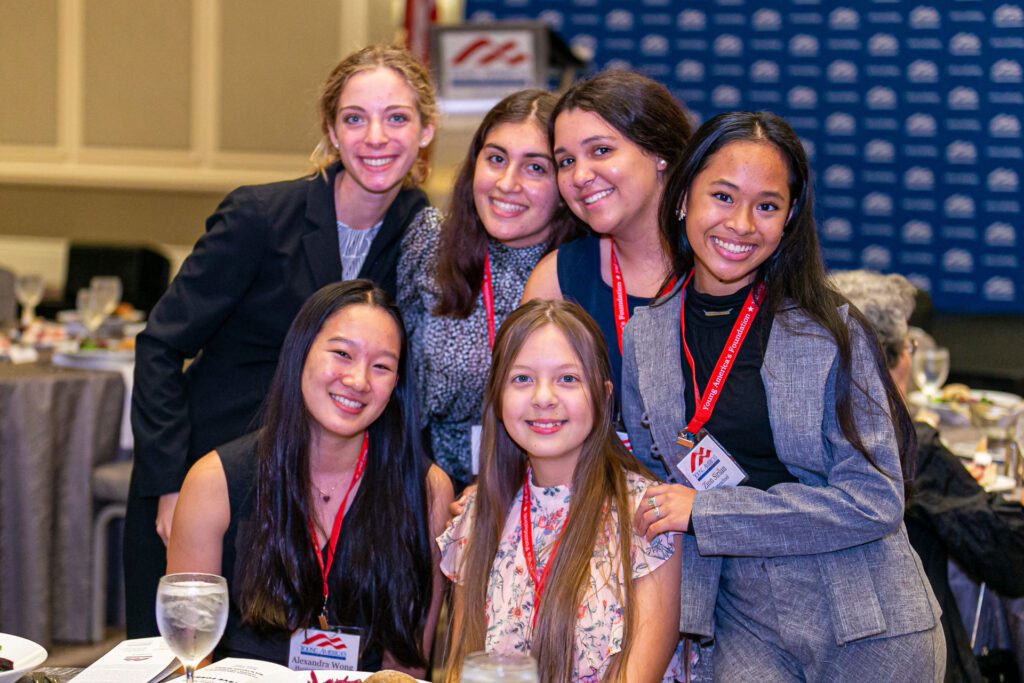
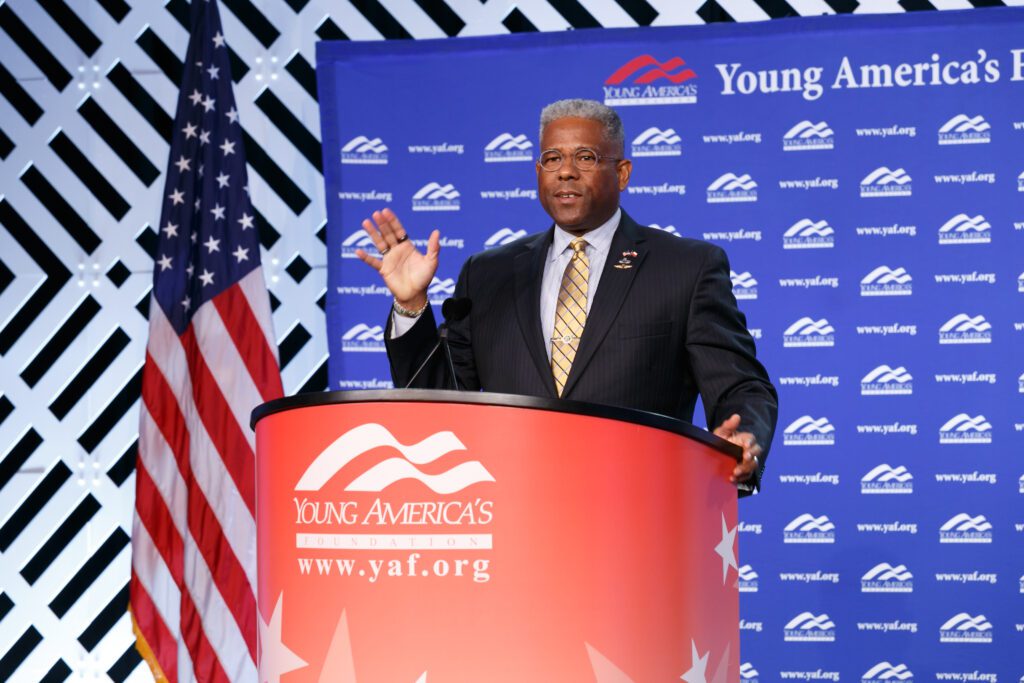
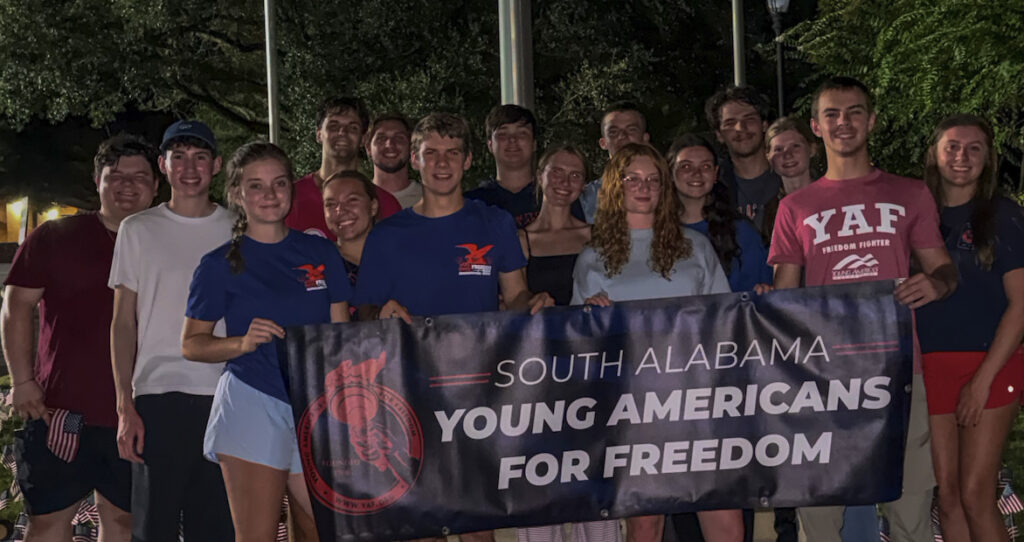
That is why organizations like Young America’s Foundation matter. While many universities continue to promote an ideology rooted in grievance and national decline, YAF students unapologetically defend American exceptionalism. They challenge prevailing campus ideology, defend free speech and remind their peers that America’s story is one of unprecedented freedom, opportunity and progress.
The irony is striking. Many of the same academic institutions that encourage students to admire foreign systems while condemning America’s own ideals rarely acknowledge a simple reality: millions of people leave those very countries in pursuit of the freedoms available only in the United States.
Whether it is the strength of our constitutional protections, our culture of free expression or the limitless opportunity to build a better life, America continues to offer something unique that much of the world cannot.
Sometimes the strongest argument for American exceptionalism is not made in a classroom or from a lecture podium. It is made when people experience the United States for themselves. This summer, millions of visitors are seeing what conservatives have argued all along: America remains the world’s greatest beacon of freedom, despite years of efforts by academic elites to convince students otherwise.